
The Legend of the Leaf: How Tea Began in Ancient China
, by Abe Massry, 1 min reading time
, by Abe Massry, 1 min reading time
Discover the legendary origins of tea in ancient China — from Emperor Shen Nong's serendipitous discovery to the Golden Age of the Tang Dynasty.
Tea is an emblem of tranquility and contemplation, with a history as rich and complex as its flavors. This ancient beverage has journeyed through millennia, leaving behind intriguing tales that begin in the mystical landscapes of ancient China.
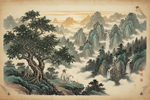
The story of tea begins with a whisper of legend involving Emperor Shen Nong, a venerated herbalist, around 2737 BC. As folklore narrates, the Emperor was boiling water beneath a tree when a few leaves drifted into his pot. This fortuitous event infused the water with a delicate aroma and flavor, marking the birth of tea—a discovery that would shape cultures for ages to come.
Tea's initial chapters were primarily medicinal. Ancient Chinese texts, such as the Shen Nong Ben Cao Jing from the 3rd century AD, document tea as a healing concoction. Its transformation into a daily beverage is attributed to the Han Dynasty (206 BC – 220 AD), but it truly solidified its place in Chinese culture during the Tang Dynasty (618–907 AD).
The Tang era is often considered the "Golden Age of Tea," where the beverage was celebrated in both literature and art. A seminal work from this period, The Classic of Tea by Lu Yu, encapsulated the philosophy and etiquette of tea drinking, elevating it from a simple drink to a respected art form.
In ancient China, the way tea was enjoyed differed significantly from the pure brews we savor today. It was often infused with various ingredients, such as:
Each cup of tea is a whisper of these ancient rituals and a testament to the enduring allure of this profound elixir. China gave the world more than just a drink; it provided a legacy that continues to evolve, steeped in tradition and history.